Perspectives
Construction Workflows Automation: Construction Enters a Digital Inflection Point
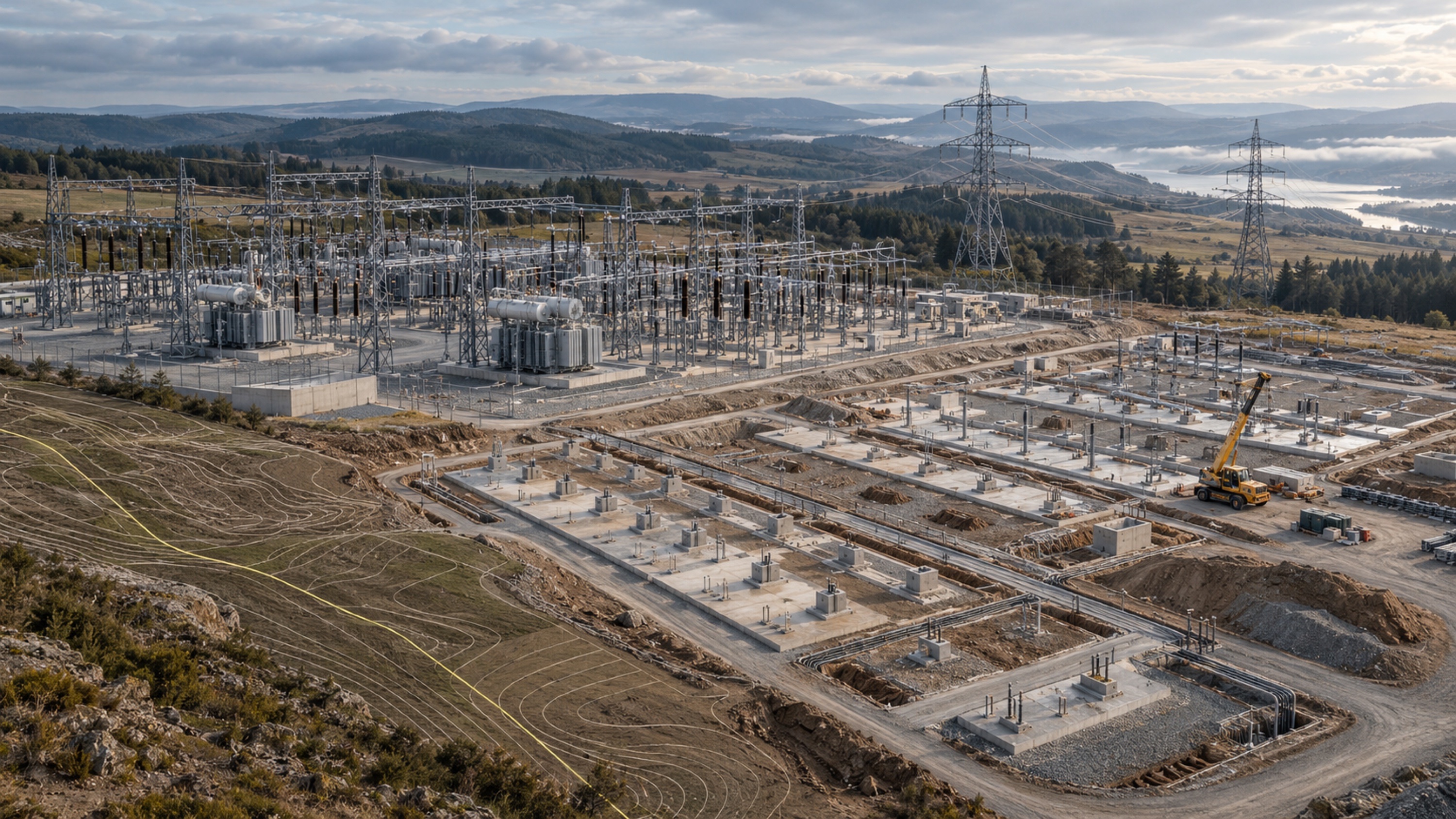

With grid infrastructure set to double by 2050, construction enters a digital inflection point
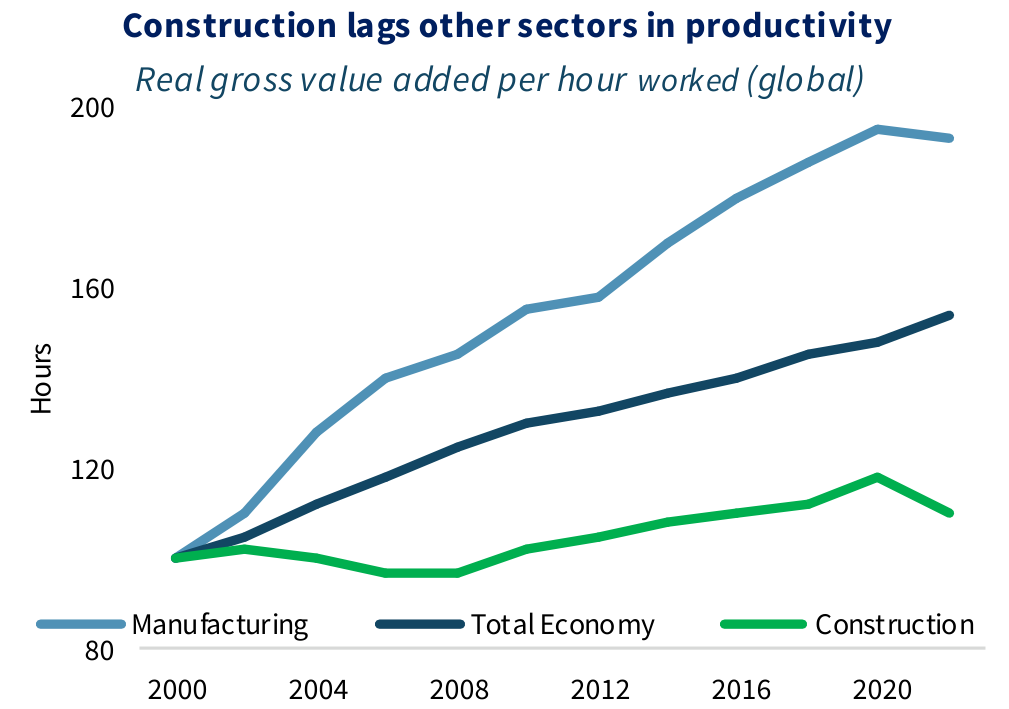
Construction represents roughly $30 trillion in annual activity, yet productivity has stagnated for decades while the broader economy, including similarly structured sectors like manufacturing and logistics, keeps improving. The operating model remains highly manual, fragmented, and inconsistent across workflows.
Recent pressures such as labour shortages, permitting delays, and supply chain disruptions have further exposed these structural weaknesses, leading to cost overruns and extended timelines.
Integrated digital infrastructures offer a credible path to structural improvement. Industry sentiment reflects this opportunity: 97% of construction businesses report measurable benefits from increased data utilisation, with cost reduction cited as the primary outcome. The challenge is not awareness of the opportunity, but execution at scale.
Cracking the Energy Problem
The construction digitalisation opportunity is most visible in energy infrastructure. Increasing electricity demand, the decentralisation of generation, storage infrastructure, and demand-side flexibility are increasing both system scale and complexity. CAPEX announcements are flowing across the industry in their 2025-2030 plans: Iberdrola €37 billion in transmission and distribution, Enel €26 billion, Eon €42 billion, EDF €22 billion, and National Grid €70 billion. The constraint is execution capacity: the industry must deliver significantly more infrastructure, faster.
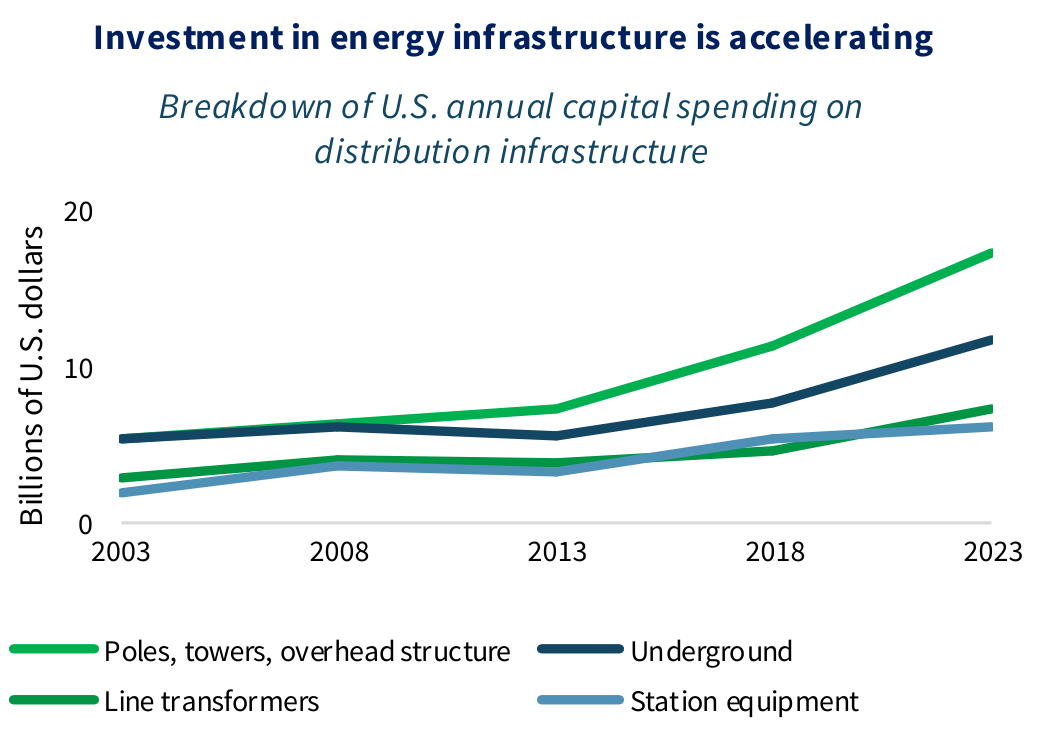
As grid infrastructure scales, construction is becoming less a field-productivity problem and more a coordination and data problem across complex development pipelines.
Digital platforms are emerging across these bottlenecks. Route selection and permitting are increasingly automated through geospatial modelling, while coordination platforms connect project data across planning, procurement, and execution.
A more structural shift is also underway. Integrated delivery platforms are beginning to unify project data across the development lifecycle and move beyond workflow visibility toward structured decision support and cross-project coordination. The greatest value creation will come from software that improves how complex energy infrastructure projects are planned and sequenced, not only how they are tracked and certified.
Validating the Thesis: Live Pilots & Use Cases
Selected pilots and deployments provide validation of digital and AI-enabled systems in energy infrastructure construction.
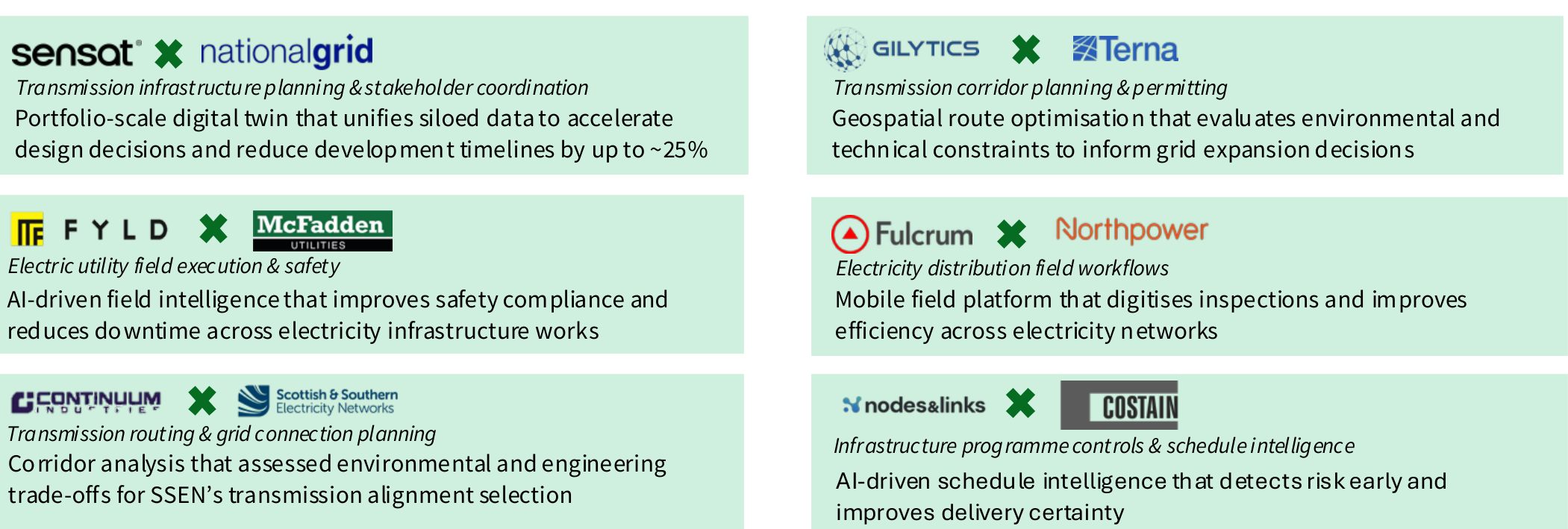
Early pilots point to real impact: portfolio-scale digital twins are helping transmission operators unify siloed data to accelerate design decisions, with reported reductions in development timelines of up to 25%. Geospatial route-optimisation platforms are helping transmission system operators evaluate environmental and technical trade-offs faster during corridor planning, and AI-driven field intelligence is improving safety compliance and reducing downtime across electricity infrastructure works.
Market Map
The construction technology landscape for energy infrastructure spans multiple layers, from planning and permitting to workforce management and on-site execution. The market map highlights key platforms across these workflows, with some companies offering solutions across multiple sectors beyond energy.
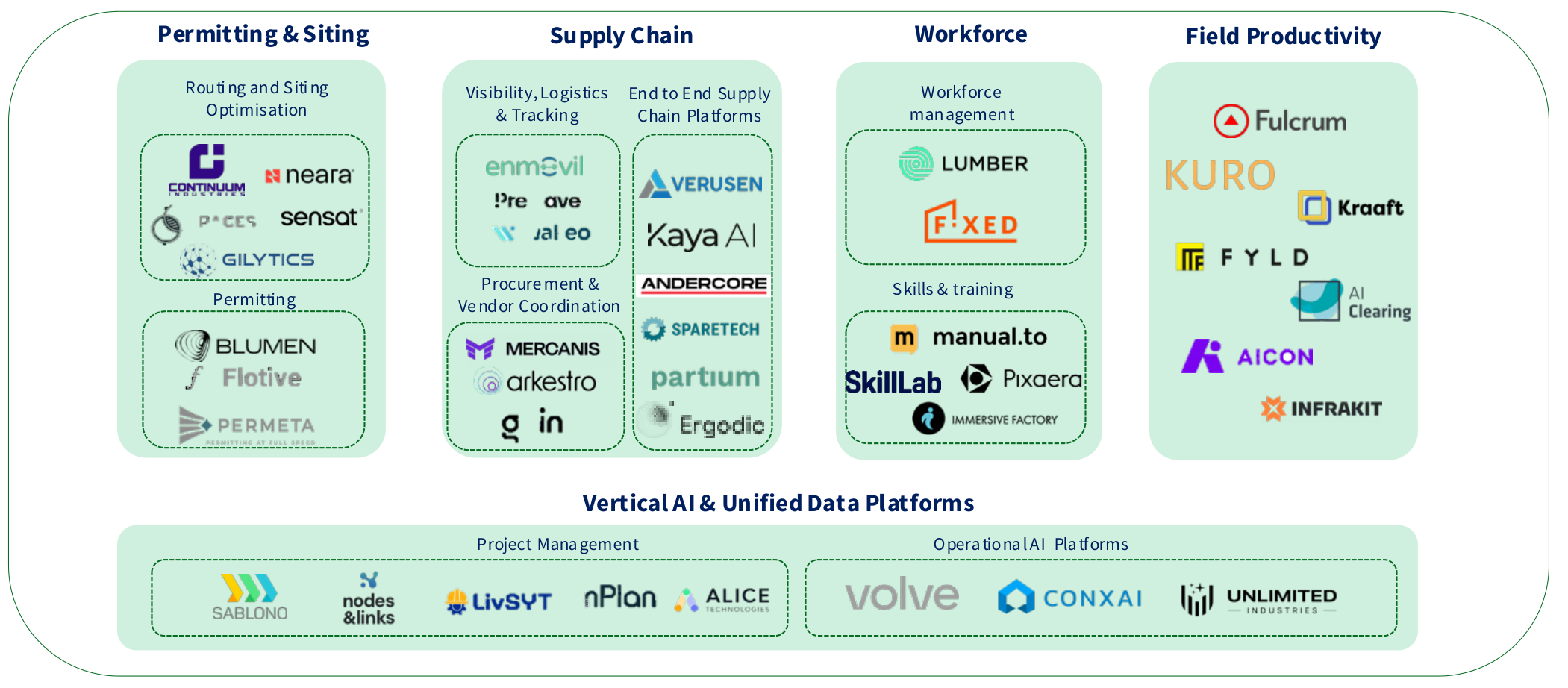
Where is the most value for energy infrastructure construction?
The biggest opportunities in energy infrastructure construction sit before the physical build begins. Grid interconnection, transmission planning, permitting, and long-lead equipment procurement drive most project delays, yet these workflows remain manual and slow to coordinate across stakeholders. Field productivity offers more limited upside as grid and substation construction increasingly relies on modular, standardised systems and specialised EPC contractors. The greatest value will accrue to platforms that accelerate the development pipeline, not those optimising activity on site. Those platforms will also serve as the basis for the digital twins that enable optimised operation and maintenance once construction is delivered.